Hey everyone, your Blender Aday mentor here. We spend countless hours dialing in nodes, wrestling with topology, and waiting for Cycles to work its magic. But what powers that creativity? For me, it’s clean energy. That’s why I’ve applied my 3D artist’s mindset to mastering Low Carb Recipes Blender style. Forget thinking of your kitchen blender as just an appliance; think of it as a different kind of render engine. One that outputs fuel for your brain instead of photorealistic scenes. If you’ve ever felt that 3 PM slump kill your creative flow, this workflow is for you. We’re about to turn simple ingredients into complex, delicious “materials” that will keep you sharp and focused through the longest of render nights.
What Are Low Carb Recipes Blender Style?
In the simplest terms, low carb recipes blender style is a method of creating nutritious, low-carbohydrate meals and snacks with maximum efficiency and precision, much like a procedural workflow in Blender. It’s about understanding how different “assets” (ingredients) combine and transform under the “rendering” power of a blender to produce a final output that meets specific parameters—in this case, high in healthy fats and protein, but low in sugar and carbs.
Think of it as procedural flavor generation. Instead of manually modeling every detail of a meal, you’re setting up a system where a few base meshes (like avocado or spinach) can be modified and combined with procedural textures (like chia seeds or protein powder) to create a huge variety of results. It’s the smart, non-destructive way to manage your nutrition.
Why You Should Master the Kitchen Blender
As 3D artists, we live and breathe efficiency. We create custom shortcuts, build asset libraries, and optimize our render settings to save precious minutes. So why not apply that same thinking to our nutrition? Mastering a few key low carb recipes blender techniques is like having a perfectly optimized Eevee scene for your health: it’s fast, effective, and delivers consistently great results.
In my projects, I often find that the biggest bottleneck isn’t my hardware, but my own energy levels. A high-carb lunch can lead to a “crash,” leaving me staring at the viewport, unable to solve a complex geometry node setup. By switching to these recipes, I’ve basically upgraded my personal CPU. You’ll spend less time cooking and more time creating, all while feeding your brain the high-quality fats it needs to function at its peak.
The Ultimate Low Carb Recipes Blender Workflow
Ready to get hands-on? Let’s treat this like a real project, from asset gathering to the final render. This structured approach will feel right at home for any Blender user.
Phase 1: Asset Gathering (The Ingredients)
Your “Asset Library” is your pantry and fridge. A well-organized library is key to a fast workflow. Here are the essential base meshes and textures you’ll need:
- Base Meshes (The Foundation):
- Avocado: The king of low-carb creaminess. Think of it as a Subdivision Surface modifier for texture.
- Leafy Greens: Spinach, kale. These are your base color maps—packed with nutrients without affecting the flavor profile too much.
- Unsweetened Nut Milks: Almond, coconut. This is your “world lighting” or HDRI, setting the overall liquid consistency.
- Full-Fat Greek Yogurt or Coconut Cream: Adds richness and a smooth falloff, like a good PBR material.
- Procedural Textures (The Detail):
- Seeds: Chia, flax, hemp. These are your normal maps, adding texture and a big bump in fiber and omega-3s.
- Nut Butters: Almond, peanut. Adds flavor depth and healthy fats. It’s like adding a grunge map for complexity.
- Protein Powder: Whey, casein, or plant-based. This is a “modifier” you apply to boost the protein attribute.
- Low-Carb Sweeteners: Stevia, erythritol, or monk fruit. Control the “emission” strength of sweetness without adding sugar.
Phase 2: Scene Setup (The Recipes)
Now let’s open up our “Blender” (the kitchen one) and start compositing. Remember, the order of operations matters, just like the modifier stack.
Recipe 1: The “Eevee” Green Smoothie (Real-Time Energy)
This is your go-to for a quick, efficient result when you’re on a deadline.
- Add Liquid Base: Start with 1 cup of unsweetened almond milk. This prevents assets from sticking to the bottom.
- Add Textures: Add 1 tablespoon of chia seeds and 1 scoop of vanilla protein powder.
- Add Base Meshes: Add a large handful of spinach and half a ripe avocado.
- Final Polish: Add a few drops of liquid stevia to taste.
- Render: Blend on high for 45-60 seconds until the “scene” is perfectly smooth, with no unrendered “pixels” (lumps).
|
Our Picks for the Best Blender in 2026
As an Amazon Associate, we earn from qualifying purchases.
|
||
| Num | Product | Action |
|---|---|---|
| 1 | Ninja Blender, Compact Kitchen System, 1200W, 3 Functions for Smoothies, Dough & Frozen Drinks with Auto-IQ, 72-oz.* Blender Pitcher, 40-oz. Processor Bowl & 18-oz. Single-Serve Cup, Grey, AMZ493BRN |

|
| 2 | nutribullet Personal Blender, Shakes, Smoothies, Food Prep, and Frozen Blending, 24 Ounces, 600 Watt, Gray, NBR-0601WM |
|
| 3 | KOIOS Smoothie Blender, 900W Personal Blender for Shakes and Smoothies for Kitchen with 2 No-BPA 22oz Portable Cups, Single Serve Smoothies Maker Mixer for Juices, Nutritious Recipe (Grey Blue) |
|
| 4 | BLACK+DECKER 10-Speed Countertop Blender, BL2010BP, 6-Cup Plastic Jar, Dishwasher-Safe, Stainless Steel, Suction Feet |
|
| 5 | Ninja Professional Blender 1000W, Total Crushing Technology- Smoothies, Ice Crushing & Frozen Fruit, Full-Size Countertop Blender, 72-oz. Pitcher, Black & Grey, BL610 |
|
| 6 | BlenderBottle Classic V2 Shaker Bottle Perfect for Protein Shakes and Pre Workout, 28-Ounce, Clear/Black |
|
| 7 | Zulay Kitchen Milk Frother Wand Drink Mixer with AA Duracell Batteries- Durable Handheld Milk Frother Electric Whisk - Easy-Clean Milk Frother Wand & Mini Blender - Electric Coffee Frother - Black |
|
| 8 | Ninja | Blender | Nutri Pro | Single Serve | For Smoothies, Salsa, Shakes and Frozen Drinks | Includes 2 Smoothie Cups & Lids | Crushes Ice, Fruit & Veggies |Silver | BN401 |
|
| 9 | Magic Bullet Blender, Small, Silver, 11 Piece Set |
|
| 10 | BLACK+DECKER PowerCrush Multi-Function Blender with 6-Cup Glass Jar, 4 Speed Settings, Silver |
|
Recipe 2: The “Cycles” Chocolate Mousse (Path-Traced Flavor)
This one requires a bit more “render time” (chilling) but the result is a rich, photorealistic dessert.
- Combine Base Meshes: In your blender, add 1 large ripe avocado, 1/4 cup full-fat coconut cream, and 1/4 cup unsweetened cocoa powder.
- Adjust Material Properties: Add 2-3 tablespoons of powdered erythritol and 1 teaspoon of vanilla extract.
- Initial Render: Blend on medium speed, scraping down the sides as needed, until the mixture is completely smooth. This is like the initial viewport render—you’re just checking the composition.
- Denoising & Final Render: Transfer the mousse to a bowl and chill in the refrigerator for at least 30 minutes. This “denoising” step allows the flavors to deepen and the texture to set, resulting in a flawless final image.
Phase 3: The Final Render (Serving and Presentation)
Just like in 3D, presentation matters. A sprinkle of cacao nibs on your mousse is like adding a touch of film grain or a vignette in the compositor—it elevates the final product.
In 3D art, the final composite can make or break an image. The same is true for food. A simple garnish can change the entire experience, turning a simple blend into something that feels deliberate and artful.
Pro Tips for Node-Based Flavor Compositing
Once you’ve mastered the basics, you can start experimenting like you would in the Shader Editor.
- The Mix Shader Node: Don’t be afraid to mix flavor profiles. A pinch of sea salt in the chocolate mousse (a mix between sweet and savory) can create incredible depth, just like mixing two PBR materials.
- The Color Ramp Node: Use a “color ramp” of ingredients to create a gradient of flavor. Start with a subtle base like spinach, add a mid-tone like blueberry, and finish with a strong accent like a squeeze of lemon juice.
- The Noise Texture Node: Want more complexity? Add a “noise texture” with a small spoonful of almond butter or a dash of cinnamon. It breaks up the uniformity and adds interest.
Common Rendering Errors (And How to Fix Them)
Even the best artists run into issues. Here are some common problems with low carb recipes blender creations and how to troubleshoot them.
| Error Message | The Problem | The Fix |
|---|---|---|
| Grainy/Noisy Output | Smoothie is lumpy or gritty. | Not enough “render time” (blending time) or insufficient liquid. Increase blend time or add more nut milk, 1/4 cup at a time. A more powerful “render engine” (a high-speed blender) also helps. |
| Washed Out Colors | The flavor is bland or flat. | Your “post-processing” is off. The scene needs more contrast. Add a squeeze of lemon juice (acidity) or a pinch of salt to make the other flavors pop. |
| Incorrect UV Unwrap | The texture is wrong (too thick/thin). | The ingredient ratios are off. Too much avocado or chia seeds will make it too thick (texture stretching). Too much liquid will make it thin (texture tiling). Adjust your “mapping” for the desired result. |
Practical Applications in a 3D Artist’s Life
Mastering these low carb recipes blender techniques isn’t just about food. It’s about building a sustainable system for a demanding creative career.
- Breakfast: Start your day with the “Eevee” Green Smoothie to get into the zone quickly without a sugar crash.
- Lunch: A thicker smoothie bowl can replace a heavy lunch, keeping you light and agile for an afternoon of complex modeling.
- Late-Night Snack: When you’re pushing to meet a deadline, the “Cycles” Chocolate Mousse is a guilt-free treat that feels like a reward.
Frequently Asked Questions
What is the best blender for these low carb recipes?
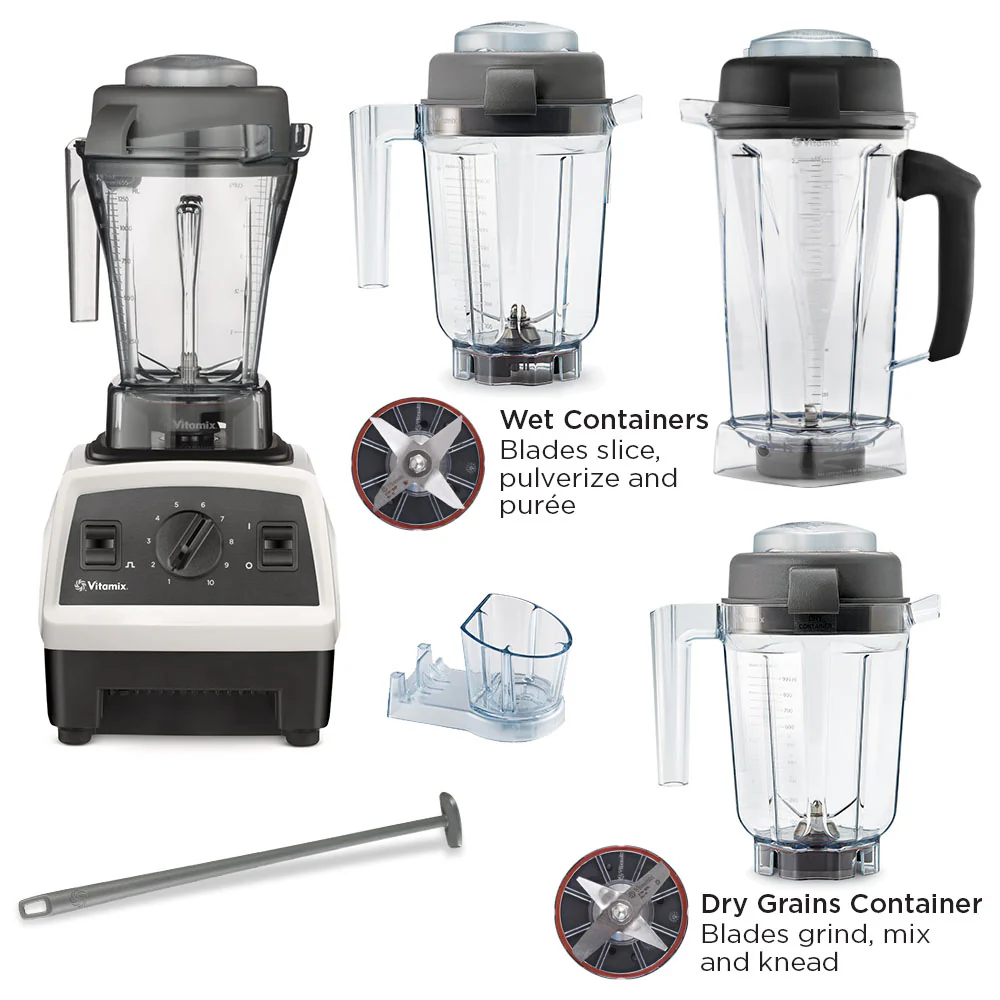
Think of it like choosing between Eevee and Cycles. A standard blender is like Eevee—fast and great for most daily tasks like simple smoothies. A high-speed blender (like a Vitamix or Blendtec) is Cycles—it takes a bit more investment but can handle anything you throw at it, producing exceptionally smooth, “noise-free” results, especially with tough assets like kale or frozen berries.
Can I prepare these blender recipes in advance?
Absolutely. You can create “project files” by portioning out your dry ingredients (protein powder, seeds, nuts) into bags for the week. Then, just add your “base meshes” (avocado, greens) and liquid before hitting “render.” This is the ultimate batch-rendering workflow for your nutrition.
How do I make my smoothie less bitter if I use a lot of greens?
You need to balance your “color grade.” Bitterness from greens can be offset by increasing the values of other channels. A healthy fat source like half an avocado or a tablespoon of almond butter adds creaminess that masks bitterness. A small amount of acidity from lemon juice can also brighten the flavor profile significantly.
Are these low carb recipes blender friendly for keto?
Yes, the recipes provided are inherently keto-friendly as they prioritize healthy fats, moderate protein, and very low carbohydrates. Just ensure your chosen protein powder and nut milks are zero-sugar.
My blender struggles with frozen ingredients. What should I do?
This is a “hardware limitation.” You can work around it by letting frozen ingredients (your “assets”) thaw for 5-10 minutes before blending. You can also add your liquid first to create a vortex that helps pull the frozen chunks down into the blades more effectively, reducing the strain on your “CPU.”
Conclusion
As artists, we pour our energy into our digital creations. It only makes sense to invest that same creative, problem-solving mindset into the fuel that powers us. By approaching low carb recipes blender style with the same logic and passion we apply to a complex 3D scene, you’re not just making food—you’re optimizing your personal render engine for peak performance. You’re building a sustainable workflow that supports your health, sharpens your focus, and ultimately, fuels your best creative work. Now go fire up your other render engine and create something amazing.